


 022 500 200


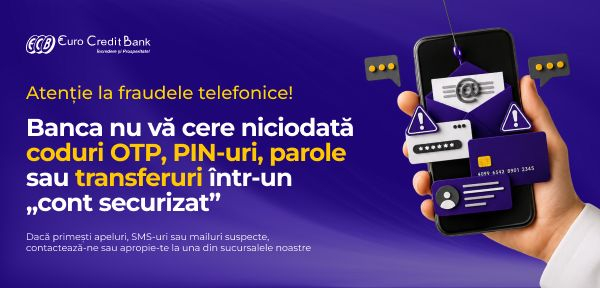
Does a caller know your name, IBAN or details of a recent payment? This does not prove that they represent the bank. Verifying the identity of the person contacting you is essential to protecting your money.
In this context, it is important to recognise the warning signs of attempted fraud and know how to respond.
Why a call may seem credible
Someone contacting you may use genuine information to gain your trust. They may mention your name, an institution you have dealt with, or an urgent problem that supposedly requires you to “secure your account”.
Knowing personal details does not verify a caller’s identity. The authorities warn that such information can be used to impersonate banks or public institutions.
Knowing an IBAN alone does not allow someone to access a bank account or make unauthorised transfers. According to the authorities’ statements about the incident, bank card information was not affected.
Five basic rules to keep you safe
1. Do not share OTP codes, PINs or passwords
This information is confidential. Do not disclose it to anyone who contacts you, regardless of their claimed position or the reason they give.
EuroCreditBank does not ask for passwords, PINs or OTP codes by phone, SMS, email or social media, nor does it ask you to transfer money to another account for “protection”.
2. Do not transfer money to a “secure account”
A request to urgently move your savings to a so-called “safe account” is a warning sign. End the conversation and verify the situation directly with the bank using its official contact details.
3. Verify claims about relatives in distress
If someone claims that a relative has had an accident or urgently needs money, pause before taking action. Contact that person directly using a number you know, or check the situation with another family member.
Do not let pressure or urgency prevent you from checking.
4. Pay attention to a sudden loss of mobile signal
If your phone suddenly loses signal for no obvious reason, contact your mobile provider. In some cases, this may indicate a fraudulent SIM replacement, known as “SIM swapping”.
Notify the bank immediately as well, using another phone, especially if you also notice unusual notifications or transactions.
5. End the call and contact the bank yourself
If you have any doubts, do not continue the conversation or follow the instructions you receive. To verify the situation, contact EuroCreditBank on 022 500 200.
Do not use phone numbers or links provided by the suspicious person.
What to do if you have already shared information
If you have shared passwords, verification codes or banking details, or authorised a transaction at the instruction of a suspicious person, contact the bank immediately and explain what happened.
Keep the messages, the caller’s number and the transaction details. Report the matter to the police; cyber incidents can also be reported through the official platform cybercrime.mai.gov.md. In an emergency, call 112.
Do not disclose confidential information. Do not rush. Verify directly with the bank. A few minutes spent checking could protect your savings.


