


 022 500 200


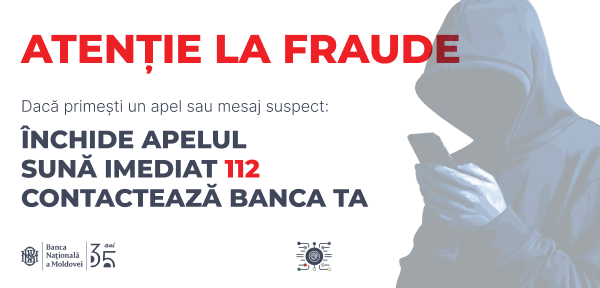
Technology helps us make payments, transfers and other banking transactions quickly and conveniently. However, as digital financial services continue to develop, the methods used by fraudsters are becoming increasingly diverse and more difficult to recognize at first glance.
Phone calls, messages sent by SMS or messaging apps, fake emails and cloned websites are just some of the tools used to gain access to users’ money and personal data.
At EuroCreditBank, the financial security of our customers is a priority. That is why we recommend staying alert to any unusual requests and verifying the information before taking action.
How to Recognize a Fraud Attempt
Be cautious if an unknown person:
asks you to act immediately, claiming that your account may be blocked or that there is a suspicious transaction;
requests passwords, PIN codes, security codes received by SMS or full card details;
tries to persuade you to transfer money to a so-called “safe account”;
promises quick profits or “risk-free” investments;
sends suspicious links for making a payment;
asks you to install remote access applications on your phone or computer.
Fraudsters rely on panic, urgency and psychological pressure. Do not make financial decisions on the spur of the moment.
The Most Common Types of Fraud
1. Impersonating Bank Employees or Public Authorities
Fraudsters may claim to be employees of EuroCreditBank, the police, the National Bank of Moldova or other institutions. They usually refer to an urgent issue, such as a suspicious transaction, a loan allegedly taken out in your name or the risk of your account being blocked.
Remember: EuroCreditBank will never ask you by phone to provide passwords, PIN codes, OTP codes received by SMS or to transfer money to another account.
2. Using a Fake Phone Number
Through caller ID spoofing techniques, fraudsters can make the name or phone number of a trusted institution appear on your screen.
Even if the call appears legitimate, end the conversation immediately if you are asked to provide confidential information or take urgent action. Contact the bank directly using the official contact details published on the EuroCreditBank website.
3. Sending Fake Messages and Links
You may receive an SMS, email or message that imitates a notification from a bank, courier company, service provider or public authority.
The message may ask you to click a link to confirm a payment, pay a fee or unblock a parcel. The link may direct you to a fake website created to collect your card details or other personal information.
4. Requesting the OTP Code Received by SMS
An OTP is a one-time code used to confirm transactions. It is strictly confidential and must never be shared with anyone, regardless of the reason given.
Fraudsters may try to obtain this code to authorize transactions or other operations in your name.
Simple Rules for Protecting Your Money
To reduce the risk of fraud:
do not share passwords, PIN codes, OTP codes or full card details;
do not click links received from unknown sources;
do not install applications at the request of strangers;
do not transfer money at the request of people who contact you by phone;
verify information exclusively through official sources;
contact EuroCreditBank through official channels if you have any doubts about a call or message you have received.
What to Do If You Have Shared Confidential Information
If you suspect that you have been a victim of fraud:
End the conversation immediately and block the suspicious contact.
Contact EuroCreditBank through official channels to request that your card or account be blocked.
Change the passwords for your financial applications using a secure device.
Report the incident to the authorities and call the emergency number 112.
Financial security begins with caution and accurate information. Share these recommendations with your family and friends: sometimes, a simple conversation can prevent a significant financial loss.


